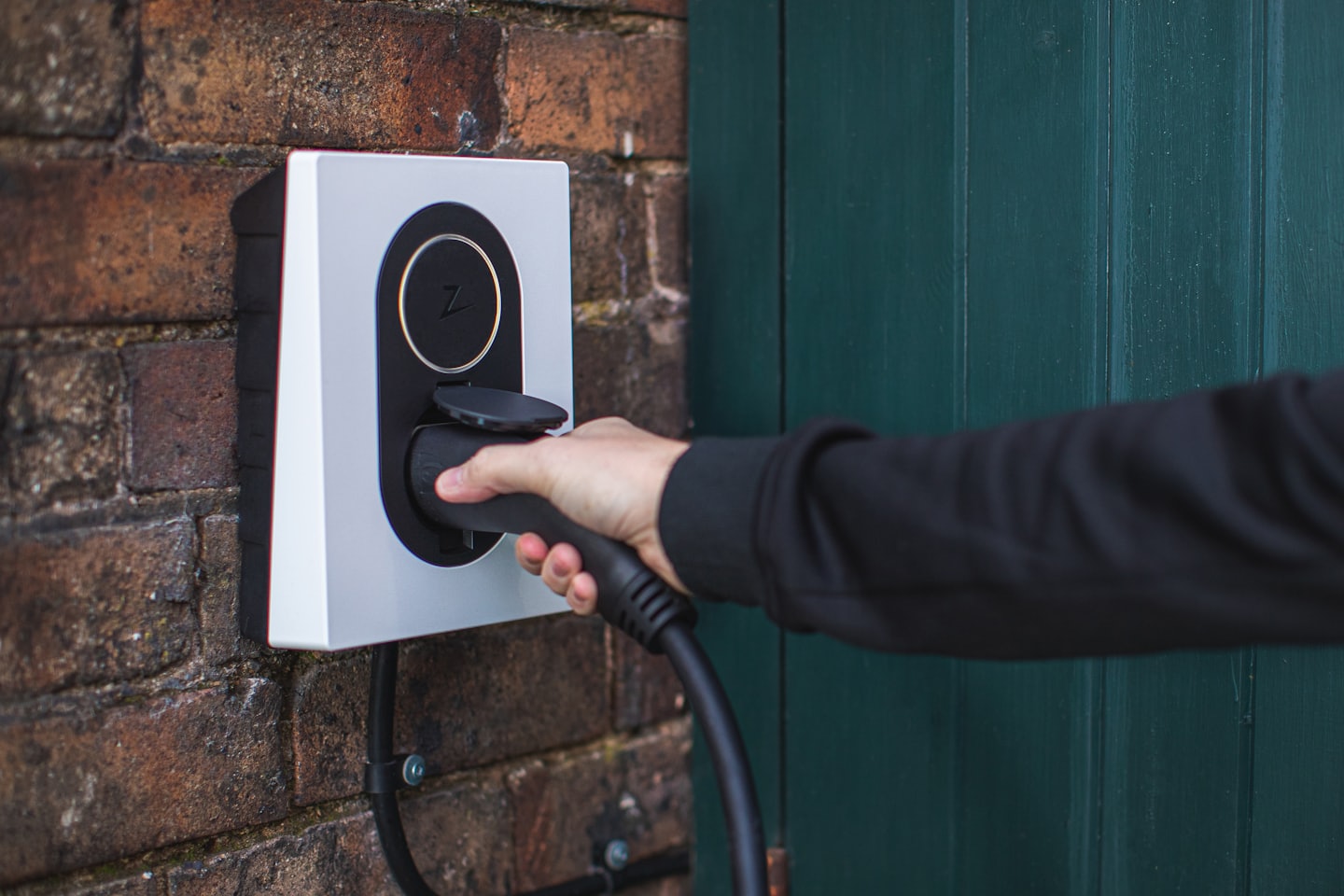
Electric vehicles (EVs) are becoming increasingly common on Ontario roads, and with more carmakers adopting the Tesla-developed NACS (North American Charging Standard), homeowners are looking for safe, reliable ways to charge at home. Whether you drive a Tesla, Ford, Hyundai, Kia, GM, Volkswagen, Nissan, or another EV model, installing the right home charger can make daily driving easier, faster, and more affordable.
Here’s what you need to know before choosing and installing an EV charger.
Home Charging Is Faster, Safer, and More Convenient
Level 1 charging (using a standard 120-volt outlet) only adds a few kilometres of range per hour—fine for emergencies, but too slow for most daily driving. A professionally installed Level 2 charger:
- uses a dedicated 240-volt circuit
- charges roughly 6–10 times faster than a regular outlet
- is safer and more reliable for everyday use
- lets you wake up every morning with a full battery
For Tesla vehicles, this typically means installing a Tesla Wall Connector. For other EVs, there are excellent options from brands like FLO, ChargePoint, Grizzl-E, Emporia, Wallbox, and others.
The NACS Standard Is Becoming the New North American Plug
One of the biggest recent changes in the EV world is the widespread adoption of the NACS charging standard, originally developed by Tesla.
What this means for homeowners:
- Tesla vehicles already use NACS.
- Many major automakers—including Ford, GM, Rivian, Volvo, Polestar, Honda, Nissan, Mercedes-Benz, and others—have announced plans to adopt NACS.
- Until new models ship with a NACS port, adapters will allow non-Tesla EVs to charge on NACS-based equipment, including Tesla home chargers.
- Installing a Tesla Wall Connector today is a strong, future-proof choice for many households.
As the transition continues, a single charger may soon serve multiple brands in the same driveway.
Not All EV Chargers Are the Same
Before installation, it helps to understand the different charger levels:
Level 1 Charger (120V)
Uses a standard household outlet. Very slow (often 3–6 km of range per hour). Works as a backup, but not ideal for everyday use.
Level 2 Charger (240V) — Recommended for most homes
Requires a dedicated 240-volt circuit. Typically delivers 30–45 km of range per hour depending on the vehicle and charger. Available in hardwired or plug-in versions and often includes smart features such as scheduling and monitoring.
DC Fast Chargers
Extremely powerful public charging stations that are not practical for residential installation due to cost and electrical requirements.
For most homeowners, a Level 2 charger provides the best balance of speed, cost, and convenience.
Do You Need a Panel Upgrade?
EV chargers draw significant power, so it’s important to know whether your existing electrical service can support one. You may need:
- a load calculation to determine available capacity
- a dedicated 30A–60A circuit for the charger
- a 200A service upgrade if your current panel is full or undersized
- a load-management device if upgrading the service is not practical
Our licensed electricians can review your panel, major loads, and usage patterns to recommend the safest, most cost-effective option.
Why Many Homeowners Choose a Tesla Wall Connector
Even if you don’t currently drive a Tesla, the Tesla Wall Connector is an attractive option because:
- it uses the NACS standard that many brands are moving toward
- adapters allow many non-Tesla EVs to charge using it
- it offers clean design and long cable options
- it supports load sharing for households with more than one EV
- it is competitively priced compared to many smart chargers
For homes planning to own multiple EVs over the next decade, choosing NACS-based equipment now can simplify the transition.
Chargers for Non-Tesla Vehicles
If you drive a Hyundai, Kia, GM, Ford, Volkswagen, Nissan, Toyota, or another non-Tesla EV, you still have many excellent Level 2 charger options. Popular units include:
- FLO Home series
- ChargePoint Home Flex
- Grizzl-E Classic or Smart
- Emporia Level 2 Charger
- Wallbox Pulsar Plus
Many of these chargers support Wi-Fi, energy monitoring, and scheduled charging. As more automakers adopt NACS, adapters will keep them compatible with evolving standards.
Charging With Solar or a Home Battery
If you already have solar panels or a home battery system (such as a Tesla Powerwall), your EV charger can be integrated into your overall energy strategy:
- charge during sunny hours to maximize solar use
- charge overnight using stored solar energy (with battery systems)
- reduce reliance on grid power and fossil fuels
- track EV charging energy separately through smart monitoring
This combination can significantly lower your long-term fuel and electricity costs.
Professional Installation Matters
Because EV chargers handle high current for long periods, proper installation is critical. A licensed electrical contractor will ensure:
- correct breaker sizing and wire gauge
- safe routing of conduit and cable
- weather-appropriate equipment for indoor or outdoor mounting
- ESA permits and inspections where required
- compatibility with future solar or battery additions
A well-installed charger provides years of reliable service and protects your home’s electrical system.
Thinking About Installing an EV Charger? We Can Help.
At Smart Electric Services / Eco Alternative Energy, we install:
- Tesla Wall Connectors
- Level 2 chargers for all major EV brands
- load-sharing setups for multi-vehicle households
- panel upgrades and load-management solutions
- solar-integrated EV charging systems
Whether you’re buying your first EV or upgrading your charging setup, our licensed electricians can design a safe, future-ready solution tailored to your home and vehicle.
Contact us today to schedule a consultation or request a quote for your EV charger installation.