As we approach the end of 2025, the energy landscape in Ontario has shifted significantly. We have seen the sunset of the old federal grant programs and the rise of the province’s new efficiency frameworks. For homeowners and businesses in the Ottawa Valley, 2026 is shaping up to be the year of “smart execution.”
With electricity rates evolving and the Ultra-Low Overnight (ULO) plan now firmly established, the financial argument for renewables has moved beyond simple “environmentalism” to pure economic survival and grid independence. If you’re planning upgrades for the coming year, here is what you need to know about the technologies that will define 2026.
Solar Photovoltaic (PV) with Islanding Capabilities
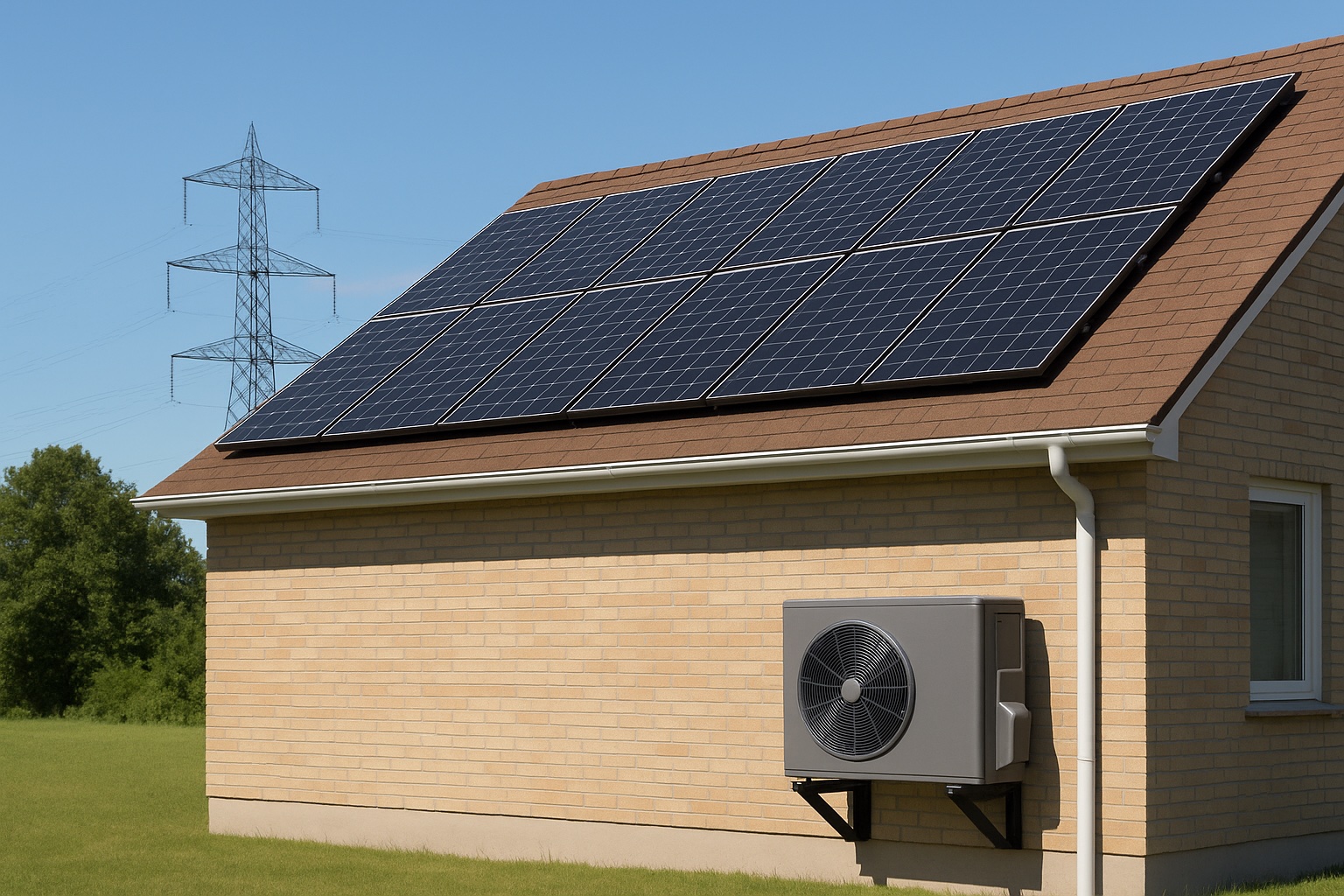
Solar remains the most visible sign of energy independence, but the conversation for 2026 has moved from just “saving money” to “staying online.”
- The 2026 Financial Case: With the provincial Home Renovation Savings Program now fully operational, homeowners can access rebates (typically up to $5,000) to offset installation costs. When paired with Net Metering, you effectively trade your summer surplus for winter credits.
- Resilience & Safety (The “Islanding” Factor): It is a common misconception that solar panels work during a blackout. Standard grid-tied systems effectively shut down when the grid fails. This is a mandatory safety feature called “anti-islanding” designed to protect utility workers fixing the lines from unexpected electricity.
- The Solution: To have power during an outage, your solar array must be paired with a battery and a specific Automatic Transfer Switch (Gateway). This hardware physically disconnects your home from the grid, creating a safe “island” where your panels can continue to operate and charge your battery.
Battery Energy Storage Systems (BESS)
In 2026, batteries are no longer just for backup—they are a financial tool. As grid instability increases due to extreme weather, a battery is your insurance policy.
- The “Arbitrage” Opportunity: Smart homeowners are using batteries to “buy low and sell high” (or use high). By charging your battery during the Ultra-Low Overnight rate window (2.8¢/kWh) and draining it during the day, you bypass peak rates entirely.
- Rebate Status: Look for “Solar + Battery” incentives under the provincial renovation programs, which aim to relieve strain on the grid during peak summer hours.
Cold-Climate Heat Pumps (The Primary Heat Source)
The technology has matured. Cold-climate heat pumps are now the standard for efficient heating in the Ottawa Valley, capable of delivering heat even when it dips below -25°C.
- Why switch in 2026? Carbon pricing on natural gas and propane is set to increase again in April. Moving to an electric system (with an efficiency rating of 300%+) hedges you against these rising fossil fuel costs.
- Incentive Alert: This remains the highest rebate category in Ontario, with up to $7,500 available for qualified air-source systems and up to $12,000 for ground-source (geothermal) systems under the Home Renovation Savings Program.
Vehicle-to-Home (V2H) Integration
While still emerging, 2026 will see more “bi-directional” chargers hitting the Canadian market. This technology allows your EV to power your home during a blackout.
- The “Mega Battery”: Consider that a standard home battery (like a Powerwall) holds about 13.5 kWh of energy. A Ford F-150 Lightning holds roughly 131 kWh. That is enough to power a conservative household for over a week.
- Planning: Even if you don’t have the car yet, installing the correct “bi-directional ready” wiring and panels now can save you thousands in upgrades later.
Planning Your 2026 Upgrades
The “boom and bust” cycle of government grants has settled into a more predictable provincial framework for 2026. However, qualification typically requires a pre-retrofit energy audit before you start any work.
Recommendation: Don’t wait for spring. Book your audit with us during the winter months so you’re ready to put shovels in the ground (or panels on the roof) as soon as the snow melts.
Resources & Official Programs
For current eligibility requirements, rate charts, and application forms, please refer to the official program pages below:
- Enbridge Gas: Home Efficiency Rebate Plus (HER+) – The primary source for rebate amounts, eligibility criteria, and finding a Registered Energy Advisor in Ontario.
- Ontario Energy Board: Electricity Rates & Price Plans – Official pricing charts for Time-of-Use, Tiered, and the Ultra-Low Overnight (ULO) price plans.
- Hydro One: Net Metering Program – Technical guidelines and connection agreements for Ottawa Valley residents looking to connect solar or wind systems to the grid.
- Save on Energy Ontario – Additional incentives, small business programs, and energy-efficiency tips provided by the IESO.