Heat pump technology is becoming a major part of the energy-efficiency conversation in Ontario. Between rising energy costs, a stronger focus on electrification, and more frequent “shoulder season” temperature swings, many homeowners are asking whether a modern cold-climate heat pump can reduce operating costs while improving comfort.
The video below discusses a recent study examining the widespread adoption of heat pumps in British Columbia. While the research focuses on BC, many of the underlying themes translate well to Ontario—particularly as homeowners here face rising energy costs, warmer summers, and growing interest in efficient, electric heating and cooling systems.
The conversation highlights how modern heat pumps can serve multiple roles in a home: providing efficient cooling during summer heat, reducing overall energy use across the year, and helping lower emissions compared to traditional heating systems. These benefits are especially relevant in Ontario’s variable climate, where homes often require both heating and cooling within the same year—and sometimes within the same week.
For Ontario homeowners, the timing is important. As policies, financing options, and energy-efficiency programs continue to evolve, more households are starting to view heat pumps as a long-term infrastructure upgrade rather than a short-term cost decision. Understanding how the technology works, how it performs in cold climates, and how it fits into an overall home energy plan is an important first step before evaluating incentives or system options.
What a Heat Pump Actually Does
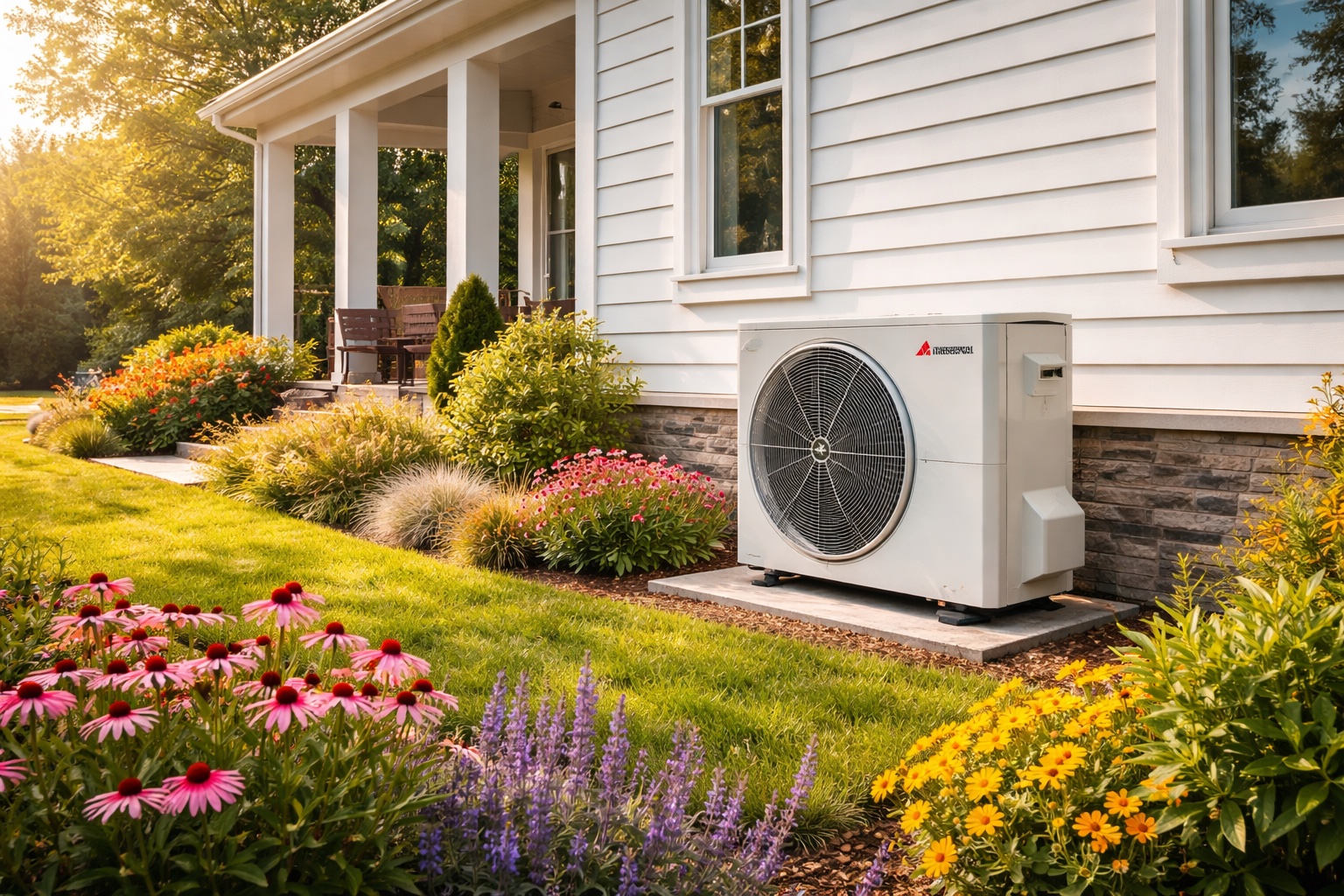
A heat pump doesn’t “create” heat the way a furnace does. Instead, it uses electricity to move heat from one place to another. In winter, it pulls heat from outdoor air and transfers it indoors. In summer, it reverses and functions like an air conditioner by moving heat out of your home.
Because it’s moving heat rather than generating it, a properly designed heat pump can deliver more heat energy than the electrical energy it consumes—one of the reasons it’s considered one of the most efficient ways to heat and cool a home. (See Natural Resources Canada Energy Efficiency)
Why Heat Pumps Can Reduce Energy Use
Ontario homes often rely on a mix of natural gas, propane, oil, baseboard heat, and central air conditioning. Heat pumps can reduce overall energy use by providing efficient heating and cooling in a single system—especially during milder winter days and in spring/fall when a full furnace cycle may be overkill.
In many homes, the biggest wins come from shifting a meaningful portion of heating and cooling to a high-efficiency heat pump while improving the building envelope so the system doesn’t have to work as hard. (See Natural Resources Canada Energy Efficient Homes)
Do Heat Pumps Work in Ontario Winters?
Modern cold-climate air-source heat pumps are designed to provide useful heat output at much lower outdoor temperatures than older models. That said, performance depends heavily on model selection, sizing, installation quality, and the home itself (insulation, air leakage, ductwork condition, and layout).
For some properties—especially older or draftier homes—it may make sense to use a “dual-fuel” or hybrid approach: the heat pump handles most heating for milder conditions, while an existing furnace (often gas or propane) provides support during the coldest stretches. This approach can balance comfort, operating cost, and reliability.
Heat Pump Options Ontario Homeowners Commonly Consider
- Ducted heat pumps: Often paired with existing ductwork to provide whole-home heating and cooling.
- Ductless (mini-split) heat pumps: Good for homes without ducts, additions, and targeted comfort upgrades.
- Cold-climate air-source heat pumps: Designed for better performance in colder temperatures than standard models.
- Ground-source (geothermal) heat pumps: Higher upfront cost, but excellent efficiency and stable performance year-round.
Where the Real Savings Come From
Heat pump savings are rarely “one-size-fits-all.” In practice, the best results often come from combining several improvements:
- Right-sizing the equipment: Oversized or undersized systems can reduce comfort and efficiency.
- Air sealing and insulation: Reducing heat loss makes any heating system perform better.
- Smart controls: Proper thermostat setup and control strategy can reduce unnecessary cycling.
- Electrical readiness: Some homes need panel capacity planning before adding major electric loads.
If you’re planning a heat pump, it’s worth thinking of it as part of a system: the home envelope, the electrical system, and the HVAC equipment all work together.
Electrical Considerations: Panels, Capacity, and Future Loads
Heat pumps add a meaningful electrical load to a home—especially if you’re moving away from fossil-fuel heating or pairing the system with other electrification upgrades like EV charging. Many homes are already close to their practical capacity, particularly older properties or cottages with a history of incremental additions.
Before committing to equipment, it’s smart to confirm your panel condition, available breaker space, and service capacity. If upgrades are needed, planning them early can prevent delays and make future additions easier (solar, batteries, EV charging, backup power).
Ontario Rebates and Programs
Ontario homeowners may have access to rebates or financing programs that can reduce the cost of energy-efficiency upgrades, including heat pumps. Program availability and eligibility can change, and many programs require pre-approval or specific documentation, so it’s important to confirm details before purchasing or installing equipment.
Check out Home Renovation Savings for potential savings as of writing this article.
Energy Efficiency “Quick Wins” That Make Heat Pumps Work Even Better
Even a great heat pump can’t overcome a leaky or poorly insulated home. If you want the strongest long-term results, these improvements often provide compounding benefits:
- Attic insulation upgrades (one of the most cost-effective improvements in many Ontario homes)
- Air sealing around penetrations, rim joists, and attic hatches
- Basement/foundation insulation where practical
- Smart thermostat setup with realistic schedules and temperature setbacks
- Heat pump-friendly airflow (clean filters, good duct design, sensible indoor head placement)
How to Decide if a Heat Pump Makes Sense for Your Home
If you’re considering a heat pump in Ontario, the decision usually comes down to a few practical questions:
- How well insulated and air-sealed is the home today?
- Do you want full electrification, or a hybrid approach?
- How often do you experience extreme cold and what comfort expectations do you have?
- Is your electrical panel and service capacity ready for the added load?
- Are there rebates or financing options that materially change the cost?
A short assessment can often clarify the best path—whether that’s a ductless upgrade for key living areas, a ducted whole-home solution, or a hybrid system that keeps an existing furnace for backup during the coldest days.
Final Thoughts
Heat pumps are increasingly becoming a practical energy-efficiency upgrade for Ontario homes. When paired with good building-envelope improvements and thoughtful electrical planning, they can deliver quieter operation, consistent comfort, and lower energy use across the year.
If you’re exploring a heat pump upgrade, consider starting with a plan: confirm your home’s insulation and air leakage, evaluate system options (ducted vs ductless vs hybrid), and make sure your electrical service is ready for the added load. That approach keeps the project predictable and helps you get the best long-term results.